
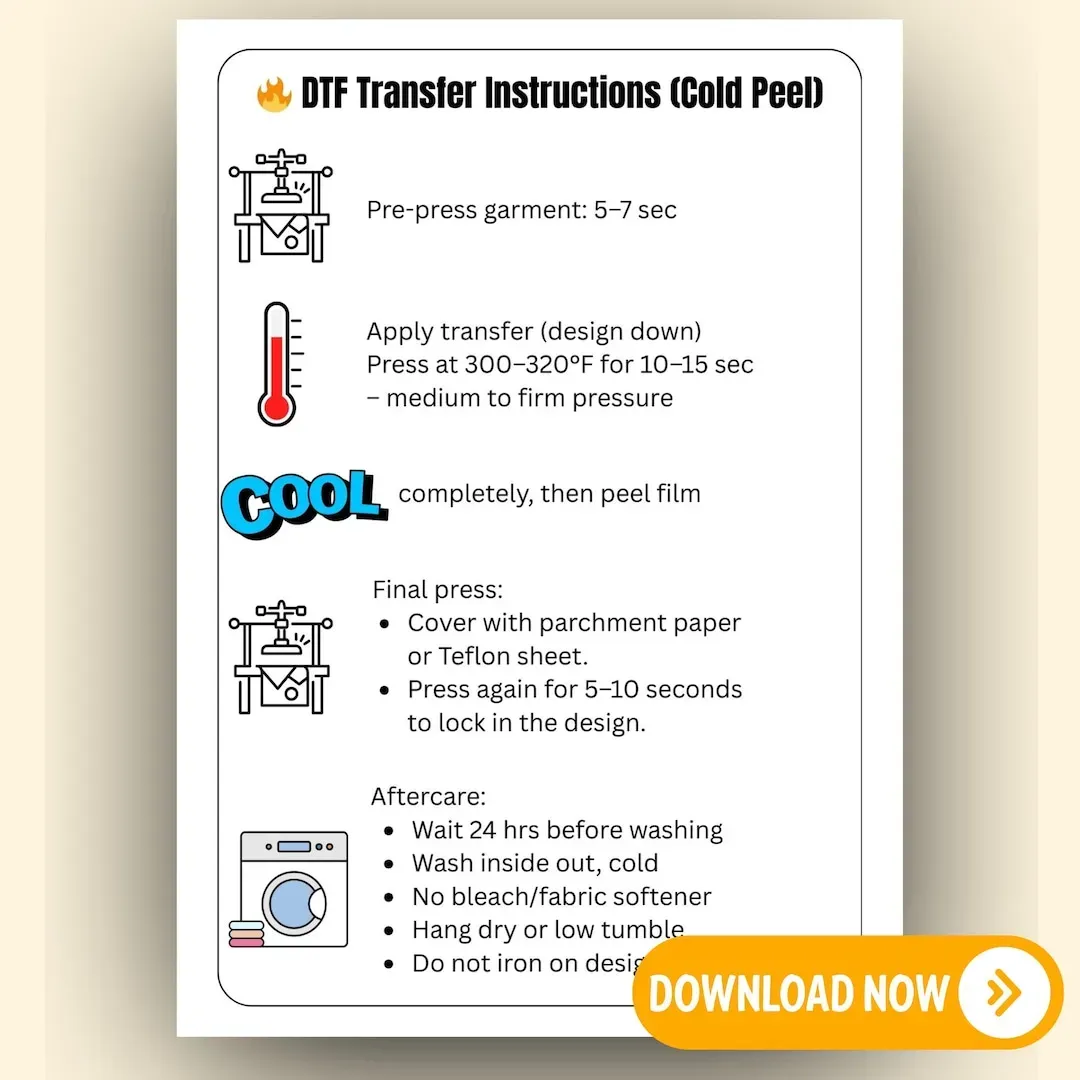
DTF transfer care is essential for preserving vibrant designs on everyday garments and protecting your wardrobe investment, whether you sew at home or run a small apparel business. By following reliable DTF washing instructions, you can minimize color fading and keep the print smooth through countless wears, while avoiding abrasive cycles and harsh chemicals that harm the bond. These practices also support DTF transfer longevity, helping the bond stay strong even after repeated machine cycles, tumble drying, or occasional ironing mistakes. You’ll find practical tips across articles and guides that cover how to wash DTF transfers without harsh detergents or high heat, with real-world examples drawn from hobbyists and professional printers alike. With a consistent routine, you can enjoy vivid graphics on comfortable fabrics without cracking, peeling, or dulling over time, ensuring your favorite pieces look fresh for seasons to come.
For readers new to the topic, care of heat-applied fabric graphics can be described using alternative terms such as direct-to-film prints upkeep or fabric-transfer maintenance. These Latent Semantic Indexing–friendly phrases point to the same goal: preserving color, adhesion, and flexibility when garments become canvases for high-definition transfers. By focusing on gentle washing, low-temperature drying, avoiding harsh detergents, and proper storage, you align with a practical framework that protects investment in wearable art across cotton, polyester, blends, and synthetics. In short, approach this topic with a holistic care mindset that prioritizes fabric-friendly methods and steady performance over quick fixes.
DTF transfer care: essential principles for longevity
Caring for DTF transfers isn’t just about following a rulebook; it’s about protecting the bond between ink, adhesive, and fabric. When you treat prints with care, you preserve color, flexibility, and adhesion across many wears, keeping them comfortable and vibrant. This mindset—DTF transfer care—helps extend the life of designs on tees, hoodies, and bags while maintaining wearability across seasons.
Key concepts include consistent, gentle washing and careful heat management. Understanding DTF transfer longevity means recognizing how each wash affects the pigment layer, adhesive layer, and clear coating. By aligning your practice with reliable guidance and embracing ideas such as DTF washing instructions, DTF transfer longevity, and best practices for DTF heat transfers, you establish a durable standard for your wardrobe and product line.
DTF washing instructions that protect vibrant prints
DTF washing instructions emphasize mild temperatures and gentle cycles to preserve bond strength and color. Start by turning the garment inside out to shield the surface and reduce friction, then select a delicate cycle and water temperatures recommended by manufacturers. Following these steps helps maintain color vibrancy and keeps the transfer intact across many washes.
Use mild, color-safe detergents and avoid chlorine bleach and optical brighteners that can interact with the pigment layer. Do not use fabric softeners on items with DTF transfers, as they can leave a waxy residue that interferes with the finish. This approach aligns with DTF garment care tips and supports a reliable method for how to wash DTF transfers.
How to wash DTF transfers: step-by-step care routine
Begin with prep: check garment labels, turn items inside out, and group similar colors. This sets a solid foundation for a consistent wash routine. Then choose a gentle cycle and a mild, color-safe detergent. This is the core of how to wash DTF transfers while protecting both print and fabric.
Load items with ample space, avoid overloading the machine, and consider a laundry bag for heavily printed pieces to cushion them during agitation. If the garment is new, pre-wash to reduce excess dye and finishes that could affect the transfer. Regular, careful washing helps extend DTF transfer longevity over many wears.
DTF garment care tips for different fabrics
Different fabrics respond differently to prints. Cotton and cotton blends benefit from balanced temperatures and shorter cycles, while polyester thrives with cold or warm water and shorter drying times. Always safeguard the printed area by turning pieces inside out and avoiding high heat that can stress the adhesive.
Nylon and lightweight synthetics require gentler detergents and reduced agitation, while dark fabrics benefit from pre-washing and cool-water cycles to prevent fading. These guidelines reflect DTF garment care tips designed to protect color integrity and bond strength across fabrics, helping your prints stay crisp on every material.
Maximizing DTF transfer longevity: storage and post-wash habits
Post-wash care matters as much as the wash itself. Always keep prints inside out when drying and store garments away from direct sunlight to prevent color fade. These habits help sustain the vibrancy of the pigment layer and preserve the bond strength over time.
Regular checks for cracks or edge delamination empower you to adjust habits early. If you notice issues, reduce heat or switch to gentler cycles in future washes. Maintaining a simple, consistent routine is a practical guarantee of DTF transfer longevity.
Best practices for DTF heat transfers: drying, ironing, and heat management
Heat management is the linchpin of preserving DTF prints. Air drying where possible minimizes heat exposure, and if you must use a dryer, select the lowest heat setting for the shortest cycle. This aligns with best practices for DTF heat transfers to keep the pigment and adhesive layers intact.
Ironing should avoid direct contact with the printed surface; use a protective barrier and low heat, or skip ironing altogether. If you must use steam, test on a hidden area and keep moisture away from the adhesive. Following these care steps helps preserve longevity, reducing the risk of cracking, peeling, or color shifts.
Frequently Asked Questions
What are the essential DTF washing instructions to protect DTF transfer care and extend color longevity?
Following DTF washing instructions helps protect the transfer and maintain color longevity. Practical steps: turn the garment inside out; wash with cold or warm water on a gentle cycle using a mild, color-safe detergent; avoid chlorine bleach and fabric softeners; don’t overload the machine; consider placing highly printed items in a laundry bag; air dry when possible and use the dryer only on the lowest heat setting if needed; pre-wash new items if recommended by the label to minimize transfer stress.
How can I wash DTF transfers effectively while following DTF garment care tips to avoid cracking or peeling?
To wash DTF transfers effectively, follow DTF garment care tips. Use a mild detergent, wash inside out on a gentle cycle with similar colors, and avoid harsh fabrics. Do not use fabric softeners or bleach, which can affect the adhesive and print. Use a laundry bag for protectiveness, and air dry when possible. If ironing is needed, avoid direct contact with the print and use a protective barrier.
What are the best practices for DTF heat transfers during drying and ironing to maximize DTF transfer longevity?
Best practices for DTF heat transfers during drying and ironing include: air drying as the preferred method; if using a dryer, choose the lowest heat and shortest cycle; never iron directly on the print—use a barrier such as a thin cloth or parchment paper on low heat; avoid high heat and steam directly on the print; and always follow the garment label when applying any heat treatment.
How does DTF transfer longevity depend on care, and what post-wash tips help extend life?
DTF transfer longevity depends on a steady care routine beyond the wash. Post-wash tips include: always wash inside out; keep prints out of direct sunlight; use mild detergents and avoid harsh chemicals; air dry when possible or use low heat; avoid prolonged soaking; periodically inspect items for small cracks or color shifts and adjust care accordingly to prevent further wear.
Which fabrics benefit most from DTF garment care tips, and how should you wash and dry them to protect the print?
Different fabrics respond differently to DTF transfers. Cotton and cotton blends benefit from gentle cycles and air drying to protect the print; polyester and blends tolerate cold to warm water with shorter drying times and low heat; nylon and lightweight synthetics require mild detergents and gentle cycles with air drying; dark fabrics should be washed inside out in cool water to minimize fading. Always apply DTF garment care tips tailored to the fabric.
What common issues occur with DTF transfers and how can adhering to DTF washing instructions prevent peeling, cracking, or fading?
Common issues include cracking, peeling, fading, and sticky residue. Adhering to DTF washing instructions helps prevent them by reducing heat exposure, minimizing friction, and avoiding harsh detergents or fabric softeners. Use inside-out washing, gentle cycles, mild detergents, keep items separate, air dry when possible, and avoid direct heat on prints to maintain adhesion and color integrity.
| Aspect | Key Points |
|---|---|
| Getting ready for care: prep tips | Check garment label and transfer; test a small area; turn inside out; use mild detergent; avoid bleach and fabric softeners. |
| Washing instructions: temperature & cycle | Use cold to warm water per guidelines; choose a gentle/delicate cycle; high heat can degrade adhesive and cause cracking. |
| Detergents & additives | Mild, color-safe detergent; avoid chlorine bleach and optical brighteners; skip fabric softeners on DTF items; preserves brightness on light fabrics. |
| Handling & load balance | Wash similar colors; do not overload; use a laundry bag for highly printed pieces to reduce abrasion. |
| Pre-wash considerations | Pre-wash new garments to relax fabric and reduce excess finishes that could affect transfer. |
| Frequency & washing rhythm | Frequent washing shortens life; plan for hand or gentle machine wash and air dry when possible to minimize wear. |
| Drying, ironing & heat considerations | Air dry preferred; if using dryer, select lowest heat and shorter cycles; avoid direct ironing on printed area; use a protective barrier if ironing is necessary. |
| Steam vs dry heat | Steam can be gentler but avoid direct contact with the print; test on a small area if used. |
| Post-wash care & storage | Inside-out washing, avoid prolonged soaking, store away from direct sun/heat; inspect for cracks or color shifts. |
| Fabric-specific tips | Cotton: air dry; Polyester: cold/short cycles; Nylon/synthetic: mild detergents; Dark fabrics: pre-wash, inside out, cool temps. |
| Common issues & prevention | Cracking: reduce heat; Peeling: use low heat; Fading: mild detergents; Sticky residue: rinse, avoid softeners. |
| Care tips: quick reference | Wash inside out; mild detergent; no softeners; do not overload; air dry; no direct ironing on print; store away from sun/heat. |
Summary
DTF transfer care is a practical discipline that protects the investment in printed garments and helps you achieve durable, vibrant results over time. By following reliable DTF washing instructions, drying methods, and storage practices, you can significantly extend the life of the print and the garment alike. Remember to keep the focus on gentle handling, inside-out washing, and low heat when drying and ironing. With these strategies in hand, you can enjoy high quality results from your DTF prints and preserve their longevity for many seasons to come.