
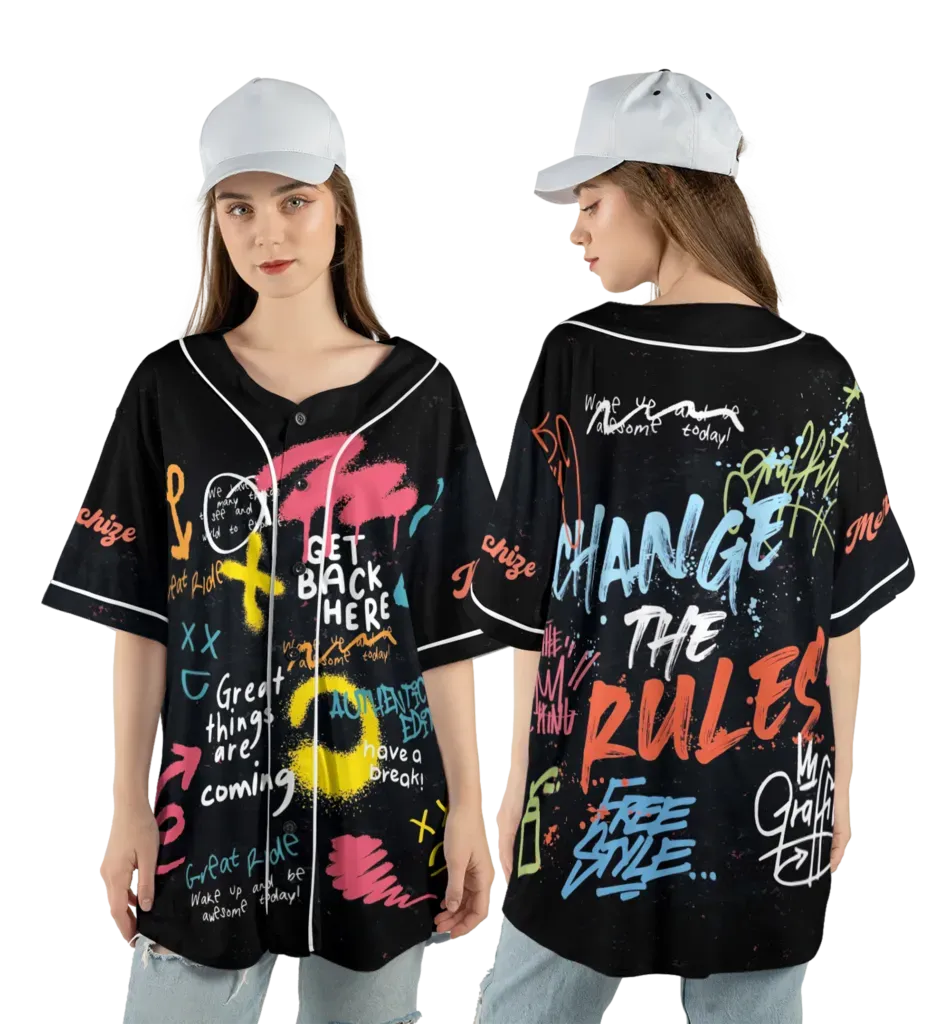
Print on demand apparel has transformed how entrepreneurs launch and grow clothing brands, letting designers bring ideas to life with minimal upfront risk. By printing items only after an order is placed, POD for clothing helps avoid inventory costs and enables rapid experimentation. This model reduces waste and enables a broader range of designs, colors, and product types to be tested without heavy financial commitments. With reliable apparel fulfillment services, you can offer flexible shipping options and consistent print quality as you scale. A clear niche, strong branding, and careful design testing will help you build a scalable, customer-focused business in this space.
In other words, this approach aligns with on-demand garment production, where products come to life only after a customer places an order. Similarly, you can think of it as custom apparel printing, a model that emphasizes short runs, fast turnarounds, and flexible product options. The concept also maps to order-driven manufacturing for fashion brands, supported by robust fulfillment networks that keep costs low while expanding color and size choices. By using multiple suppliers and a data-driven approach to testing designs, you can minimize waste and deliver personalized items at scale. Framing the topic with these related terms helps you compare platforms, set expectations with partners, and communicate value to customers.
How Print on Demand for Clothing Works: A Practical Overview
Print on Demand for Clothing works by producing garments only after a customer places an order, which eliminates the need for large inventories and heavy upfront costs. This model, often described as POD for clothing, relies on print capability at the point of demand and flexible fulfillment networks to deliver products directly to shoppers.
Because designs are tested on demand, brands can experiment with graphics, colors, and product types without the financial risk of traditional manufacturing. This is a core benefit of print on demand for apparel business, enabling rapid iteration from basic tees to specialty items via promising channels like custom t-shirt printing.
Benefits of Launching a Print on Demand Apparel Business
One of the biggest advantages of a POD apparel business is the low barrier to entry. With minimal upfront investment, you can launch a catalog, validate designs, and grow a brand without tying capital to unsold stock. This aligns with the broader advantages of apparel fulfillment services that handle production, packaging, and shipping.
Over time, you gain global reach as providers expand regional printing and shipping, allowing customers worldwide to access your designs. The combination of on-demand production and localized fulfillment supports sustainable operations and flexible experimentation, important for long-term growth in print on demand for apparel business.
Design and Product Range Considerations for POD Apparel
Design and product range are the lifeblood of POD apparel. Start with essentials—T-shirts, hoodies, and long-sleeve tops—but consider expanding into layers and accessories as demand grows. You can leverage hoodie print on demand and custom t-shirt printing to offer distinct looks while maintaining cost controls.
Key design considerations include colorways that work across multiple garment colors, plain-to-print placements, and scalable artwork that remains legible at different sizes. By planning for print areas such as chest, back, sleeves, and pockets, you build flexibility into your line while keeping production simple and reliable for POD.
Choosing the Right POD Platform and Apparel Fulfillment Partners
Choosing the right POD platform and apparel fulfillment partner is critical. Look for platforms that integrate with your store, offer consistent print quality, and provide a transparent catalog of products. A strong partner network supports POD for clothing initiatives and helps you scale smoothly.
Evaluate service levels, such as mockup quality, production tolerances, shipping timelines, and return policies. Real-time order tracking and clear communication reduce friction with customers and protect your brand when working with apparel fulfillment services.
Print on Demand Apparel: Fulfillment and Operational Excellence
This section emphasizes the practical needs of getting orders from checkout to doorstep efficiently. Focus on turnaround times, shipping options, and accurate tracking to meet customer expectations and maintain repeat sales.
To sustain growth, build inventory visibility even though items aren’t kept in stock. Use analytics to monitor fulfillment metrics, optimize packing, and ensure consistent branding in packaging and inserts. An experienced provider can help streamline returns, exchanges, and warranty handling within an on-demand framework.
Marketing, SEO, and Scaling Your POD for Clothing Brand
A successful POD strategy blends compelling product storytelling with search optimization. Include terms like print on demand for apparel business, POD for clothing, and descriptive product pages to attract organic traffic and reduce acquisition costs.
Support growth with value-driven offers such as bundles and tiered pricing, plus social proof from customer reviews and user-generated content. For design-heavy products, emphasize quality of printing and materials with clear, helpful content—leveraging strategies from custom t-shirt printing to expand your audience.
Frequently Asked Questions
What is print on demand apparel and how does it work for new brands using POD for clothing?
Print on demand apparel is a production model where garments are printed only after an order is placed. For new brands using POD for clothing, this means no upfront inventory, lower risk, and fast testing of designs. Your fulfillment partner handles printing and shipping as orders come in.
Why should I choose print on demand for apparel business instead of stocking inventory?
Print on demand for apparel business reduces upfront costs and waste and enables flexible design testing. With apparel fulfillment services, you can reach customers globally and customize at scale without large manufacturing commitments.
What products can I offer with print on demand apparel, including custom t-shirt printing and hoodie print on demand?
A typical catalog includes T-shirts, hoodies, long sleeves, tanks, and accessories. With print on demand apparel, you can expand to other items and leverage custom t-shirt printing and hoodie print on demand to test colors and placements quickly.
How do apparel fulfillment services integrate with a print on demand for apparel business to handle orders?
Apparel fulfillment services take care of printing, packaging, and shipping for POD orders. Look for partners with reliable print quality, real time order tracking, scalable capacity, and transparent pricing to support your print on demand for apparel business.
How can I succeed with custom t-shirt printing within a print on demand apparel business?
Start with a clear niche and branding, build a cohesive design system, and use high quality mockups for custom t-shirt printing. Test each design, optimize listings, and price to cover costs while staying competitive in your print on demand apparel business.
What are best practices for pricing, marketing, and SEO in a print on demand for apparel business?
Set base costs and margins to cover garment, printing and shipping. Use bundles and tiered pricing to raise average order value. Optimize product titles and descriptions with terms like print on demand for apparel business, print on demand apparel, and custom t-shirt printing to attract organic traffic, and support growth with ads and social proof.
| Topic | Key Points |
|---|---|
| What is Print on Demand for Apparel? | Garments are printed or embellished only after an order, removing the need for large inventories. Enables rapid design experimentation and a broader product range (T-shirts, hoodies, etc.), with reduced financial risk. |
| Why Choose POD for Clothing? | Low upfront costs; flexible experimentation; global reach; customization at scale; sustainable operations due to on‑demand production. |
| POD Product Range & Design Considerations? | Core items include T‑shirts and hoodies; expand to long sleeves, tanks, hats, bags. Design considerations: versatile colorways across garment colors; plan print areas (chest, back, sleeve, pocket); use high‑resolution PNGs with transparent backgrounds and match printer color profiles. |
| Starting with POD for Apparel | Define niche; select POD platform and fulfillment partner; create purposeful designs; set up product pages and pricing; order samples to test print quality; launch and iterate. |
| Designing for POD | Keep designs simple and bold; maintain branding consistency; test color combinations across fabrics; ensure size and placement translate from XS to 3XL; use high‑quality mockups and lifestyle visuals. |
| Fulfillment & Logistics | Turnaround times; multiple shipping options; clear returns policy; consider packaging/branding; real‑time inventory visibility and fulfillment metrics. |
| Pricing, Profitability & Marketing | Base costs vs selling price; bundles and tiered pricing; emphasize perceived value with quality mockups and descriptions; SEO‑focused titles/descriptions; paid ads and social proof. |
| Common Mistakes | Overcomplicated catalogs; skipping quality checks; ignoring sizing/returns; inconsistent branding; vague product descriptions. |
Summary
print on demand apparel offers a powerful path for entrepreneurs to launch and grow clothing brands with reduced risk and greater flexibility. By focusing on a clear niche, choosing reliable apparel fulfillment services, and delivering strong designs with high-quality mockups, you can create a scalable POD for clothing business that serves customers worldwide. Whether you start with T-shirts and hoodies or expand into beyond-the-basics items, the POD model makes it easier to test ideas, iterate quickly, and build a brand that resonates in a crowded market.