
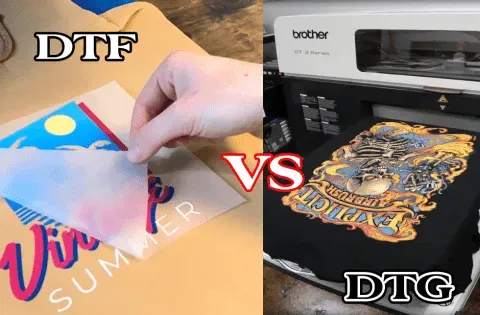
DTF transfers vs DTG is a pivotal decision for apparel brands as they balance cost, speed, and design flexibility. Each method has distinct strengths and trade-offs, shaping how you approach production, fabric compatibility, and market timing. When evaluating the DTG printing advantages, you’ll notice DTF often shines on mixed fabrics and dark colors while DTG excels in ultra-detailed imagery on light fabrics. Understanding these nuances helps you make a cost-conscious choice without compromising quality or speed. This intro sets the stage for a deeper look into setup, durability, and long-term value across different product lines.
To frame this discussion with broader language, think of film-based transfers and direct-to-garment prints as two paths to wearable graphics. A film-based approach embeds the design in a printable carrier, then adheres it to a range of fabrics, offering strong color and durability, particularly on darker textiles. In contrast, direct-to-fabric printing deposits pigment directly into the fibers, delivering fine detail and a softer hand on suitable fabrics. Both routes rely on substrate compatibility, curing steps, and consistent quality checks to ensure repeatable results across batches. For brands, the choice becomes mapping artwork goals, fabric types, and production timelines to each method’s strengths rather than forcing a single solution.
DTF transfers vs DTG: Core differences that impact cost, speed, and quality
DTF transfers and DTG printing are both viable paths to apparel customization, but they operate on different principles. DTF uses a printed film and adhesive powder that is cured and heat-pressed onto fabric, offering strong color saturation and broad fabric compatibility. DTG, by contrast, prints pigments directly onto the garment with specialized inkjet hardware, delivering exceptionally fine detail on suitable fabrics. Understanding these core mechanics helps brands anticipate performance, cost, and production implications. This distinction aligns with the idea of exploring the DTF transfer method advantages versus DTG printing advantages to determine where each method shines.
In practice, this foundational difference shapes costs, speed, and scale. DTF often reduces setup complexity and performs well across a wide range of fabrics, which can translate to lower per-unit costs in certain runs. DTG can excel in color depth and ultra-fine detail, particularly on lighter fabrics, but may require pretreatment and more meticulous color management. When you weigh the cost comparison between DTF and DTG, consider not only the sticker price per shirt but also workflow time, rework risk, and the ease of fabric-switching during mid-size runs.
DTG Printing Advantages: High detail, soft hand-feel, and cotton-friendly results
DTG printing advantages are most evident on cotton-heavy garments where fabric texture and color enable ultra-detailed imagery with a soft hand-feel. Because DTG inks sit within the fabric fibers rather than on a film, customers often experience a lighter touch that preserves the garment’s drape. This makes DTG a strong candidate for photography-rich designs, gradient transitions, and delicate artwork on white or light fabrics.
However, DTG’s advantages come with considerations. Dark fabrics frequently require pretreatment to achieve vibrant colors, and color management must be precise to avoid muddy or dull outcomes on complex designs. For brands evaluating the best apparel printing method, DTG printing advantages include superior color depth for suitable fabrics, provided you account for pretreatment costs, curing, and potential workflow adjustments for non-cotton blends.
DTF Transfer Method Advantages: Fabric versatility and bulk-ready production
DTF transfer method advantages begin with substrate flexibility. The standard film-plus-powder workflow enables printing on a wide array of fabrics—from 100% cotton to blends and even some synthetics—without the pretreatment intricacies often required by DTG on non-cotton materials. This broad compatibility supports mixed-fabric runs and reduces the risk of failed prints due to fabric limitations, making DTF a practical choice for diverse product lines.
Another critical benefit is production scalability. DTF transfers can be produced in bulk and stored, enabling faster fulfillment for variable design runs and seasonal drops. This can translate to lower per-unit times in production when dealing with larger orders or frequent design changes, illustrating the potential advantages of the DTF transfer method for brands seeking operational flexibility and consistent output across a broad fabric range.
Cost Comparison Between DTF and DTG: Which method fits different orders and fabrics
A practical way to approach the cost question is to tally total ownership—printer or film materials, ink, pretreatment for DTG, heat-press equipment, maintenance, and labor. In many scenarios, DTF offers favorable unit economics across diverse fabrics and mid-size runs because the transfer film can be produced once and reused for multiple designs. This aligns with the broader assessment that DTF can reduce setup complexity and material waste, contributing to a lower cost per unit in certain contexts.
DTG’s cost dynamics shift with design complexity and desired outputs. Higher-detail, photo-like imagery on cotton garments may justify higher pretreatment and maintenance costs if it delivers the premium look customers expect. For brands scaling up, the cost comparison between DTF and DTG should factor in fabric mix, order cadence, and the value of speed-to-market, as faster turnarounds can offset higher per-unit costs in some scenarios.
Durability of DTF vs DTG: Washability, colorfastness, and long-term performance
Durability and washability are central to customer satisfaction and repeat purchases. DTF transfers tend to exhibit strong colorfastness and robust adhesion across multiple washes, including on darker fabrics, thanks to the protective film and adhesive system. This makes DTF a reliable option for items expected to endure heavy rotation or frequent laundering.
DTG can deliver durable results on cotton when pretreatment and curing are properly managed. Long-term performance, however, depends on fabric type, washing conditions, and the integrity of the curing process. For brands with high wash demands or kids’ wear, it’s wise to test prints across the target fabrics and volumes to validate durability and establish care guidance that preserves color and detail.
Choosing the Best Apparel Printing Method: A blended strategy for versatility and scale
Selecting the best apparel printing method is not about choosing one universal winner; it’s about aligning capabilities with your product strategy. The hybrid approach leverages DTG for signature white-ink, high-detail designs on light fabrics, while using DTF for bulk runs, bold graphics on a variety of fabrics, or items where a firmer hand is acceptable. This strategy can maximize the strengths of both methods and mitigate their individual limitations.
To implement this approach, start with a clear design brief, run pilot programs across fabrics, and perform a comprehensive cost-benefit analysis. Evaluate color accuracy, wash durability, and production cadence to ensure your chosen mix supports your brand promises, margins, and customer expectations. As you refine your plan, consider the long-term durability, quality consistency, and scalability of each method to determine the pathway that best supports growth and profitability.
Frequently Asked Questions
DTF transfers vs DTG: what are the DTF transfer method advantages and DTG printing advantages?
DTF transfer method advantages include broad fabric compatibility, lower setup for small to mid-sized runs, and consistent results across blends and synthetics. DTG printing advantages shine in high-detail, photo-like imagery with a soft hand on cotton. For many brands, a hybrid approach may be best depending on fabric, design complexity, and order size.
What is the cost comparison between DTF and DTG in apparel printing?
The cost comparison between DTF and DTG depends on run size and fabric mix. DTF often delivers lower per-unit costs for mixed fabrics and mid-sized runs due to simple setup and bulk film usage. DTG can incur higher ongoing costs from pretreatment, ink consumption, and maintenance, but may be cost-effective for small, high-detail cotton orders. Consider total cost of ownership, including equipment, consumables, and labor.
Between DTF transfers vs DTG, which is the best apparel printing method for a fast-turnaround collection?
For fast-turnaround collections, DTF transfers vs DTG: DTF is typically the best apparel printing method for bulk runs across diverse fabrics, offering quicker setup and faster production. DTG can be ideal for premium cotton lines with extensive detail, but often requires pretreatment and longer lead times on darker fabrics. Choose based on fabric mix, design complexity, and market speed.
How durable is DTF vs DTG across washes on typical fabrics?
Durability of DTF vs DTG depends on application and fabric. DTF generally offers strong colorfastness and robust adhesion across washes, including dark fabrics. DTG provides durable prints on cotton when properly pretreated and cured, though performance can vary with fabric type, washing conditions, and ink chemistry. Testing on target fabrics is recommended for high-rotation products.
Which offers better vibrancy and design complexity: DTF transfers vs DTG when considering color range and design complexity?
DTG printing advantages include excellent color depth and smooth gradients for photo-like designs on light fabrics. DTF transfers vs DTG can deliver bold, saturated colors across a wide fabric range, including darks, thanks to white ink underprint capability. For intricate color work on cotton, DTG is often preferred; for versatile, bold graphics across many fabrics, DTF is highly effective.
Can brands use a hybrid approach with DTF transfers vs DTG to optimize production?
Yes, a hybrid approach can optimize production. Use DTG for cotton-based items with high-detail or white ink work, and deploy DTF transfers for bulk runs, non-cotton fabrics, or designs where speed and cross-fabric flexibility matter. Start with a pilot program across fabrics to validate consistency, color, and cost benefits before scaling.
| Aspect | DTF transfers | DTG printing |
|---|---|---|
| Definition / How it works | Printed on film with adhesive powder, cured, then heat-pressed onto fabric; versatile across textiles. | Direct-to-garment, pigmented inks printed directly onto fabric and cured; excels on cotton with high detail. |
| Cost & Production Velocity | Good for small-to-mid runs; simpler setup; potential lower per-shirt costs in mixed fabrics. | Fast for large orders or ultra-fine detail on light fabrics; often needs pretreatment on dark fabrics and tight color management. |
| Texture / Hand Feel | Can be firmer due to the film and adhesive layer. | Very soft hand on cotton; ink sits on/into fibers with minimal layering when cured properly. |
| Vibrancy & Color Range | Bold, saturated colors across diverse fabrics; built-in white layer supports dark garments. | Excellent color depth on white/light fabrics; white on dark requires pre-treatment, adds steps/cost. |
| Fabric Range & Substrates | Broad substrate compatibility including polyester and blends. | Best on 100% cotton or cotton-rich blends; traditional DTG advantages on cotton. |
| Durability & Washability | Strong colorfastness and adhesion across many washes; robust on darker fabrics. | Strong on cotton with proper pretreatment; long-term depends on fabric type and care. |
| Order Size & Scalability | Well-suited for variable designs and bulk-ready film production; scalable for seasonal drops. | Efficient for small runs/ons demand; costs increase with larger ink usage and maintenance. |
| Quality Control & Consistency | Requires calibration of film, powder, and curing; pilot runs recommended. | Depends on printer, ink, and pretreatment; pilot programs help ensure color accuracy. |
| Branding & Product Strategy | Flexible, cost-efficient across fabrics; good for fast-fashion and hybrid approaches. | Premium feel, high-detail photography; best with cotton-focused lines; hybrids with DTF possible. |
| Practical Scenarios | Scenario 1: 5–7 designs on cotton/poly; quick market tests; DTF favors speed and flexibility. | Scenario 2: Photography-rich on cotton; DTG delivers high detail and soft hand on light fabrics. |
| Costs vs Long-Term Value | DTF often lowers unit costs across varied fabrics; film inventory and bulk production matter. | DTG offers value for high-margin, detail-driven cotton designs; pretreatment/maintenance costs apply. |
| Technical Tips | Color proofs, fabric readiness, heat-press calibration, post-care communication. | Color management, pretreatment planning, heat-press calibration, testing across fabrics. |
Summary
DTF transfers vs DTG presents two distinct paths for apparel brands, each with strengths that suit different fabric choices, orders, and brand stories. Understanding the core differences in cost, speed, texture, color versatility, fabric compatibility, durability, scalability, quality control, and branding implications helps brands decide where to lean or when to blend methods. In practice, many labels adopt a hybrid approach: use DTG for cotton-focused lines with intricate, photographic imagery and a premium hand, and deploy DTF transfers for bulk runs, diverse fabrics, and faster iteration across seasonal drops. The right decision depends on your product mix, order size, target fabrics, and brand strategy. Start with pilot programs, measure color fidelity and wash stability across fabrics, and perform a thorough cost-benefit analysis to optimize your print production workflow. The choice you make today will influence product quality, speed to market, and customer trust tomorrow.