
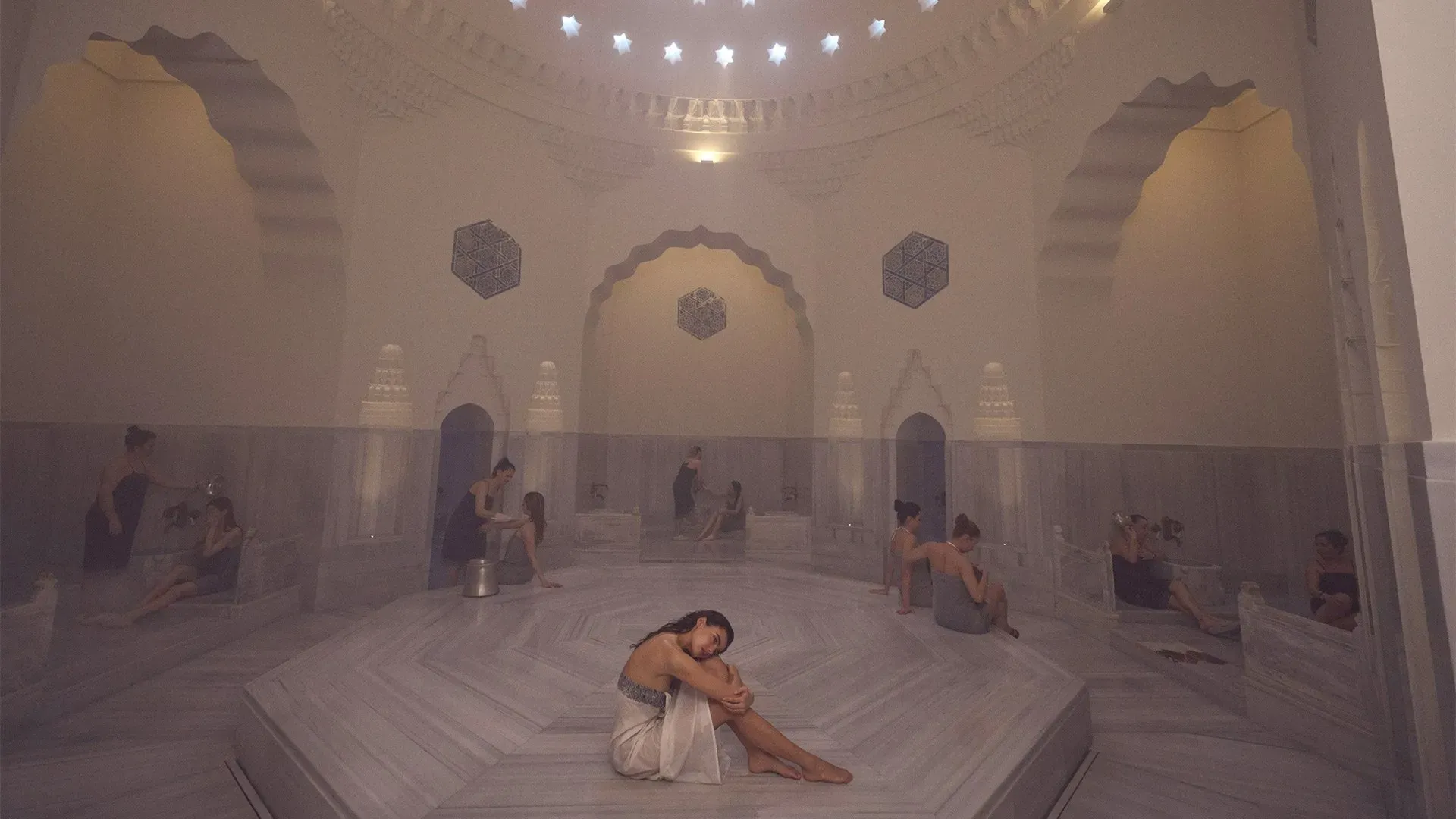
Turkish Bath 101 invites you into a centuries-old tradition that blends cleansing, social ritual, and personal well-being. This immersive experience is a traditional Hammam, where heat, humidity, and careful ritual come together to refresh both body and mind. As you plan your visit, you’ll want to know what to expect in a Turkish bath and how to participate with respect and ease. The atmosphere prioritizes calm, courtesy, and quiet conversation, guiding you through cleansing, exfoliation, and massage steps. By learning the etiquette and practical tips, you’ll feel confident engaging in hammam rituals while enjoying the soothing warmth.
From a fresh perspective, the Turkish bath experience can be framed as a set of hammam rituals that blend heat, moisture, and mindful cleansing. Since this article follows LSI principles, we also reference alternative terms like a steam room experience and traditional spa culture to mirror related searches and concepts. Many venues offer a steam room and massage in hammam as an optional highlight, designed to deepen relaxation while staying grounded in long-standing etiquette. By describing care, pace, and respect in these terms, readers gain a practical understanding that aligns with both heritage and modern wellness expectations.
1) Turkish Bath 101: A Gateway to the Traditional Hammam Experience
Turkish Bath 101 invites you into a centuries-old tradition that blends cleansing, social ritual, and personal well-being. This is more than a bath; it’s a traditional Hammam experience rooted in hospitality and cultural heritage. The environment, fragrances, and ceremonial pace work together to create a moment of renewal for body and mind.
In this guide, you’ll discover preparation tips, etiquette, the sequence of the visit, and practical advice so you can enjoy every moment with confidence. By embracing the traditional Hammam framework, you’ll approach the experience with curiosity and respect, savoring the warmth, cleansing rituals, and shared moments that define Turkish baths.
2) What to Expect in a Turkish Bath 101 Experience
A Turkish Bath 101 typically unfolds through warm rooms, gentle steam, cleansing, and relaxation. The ambiance is ceremonial and tranquil, designed to encourage gradual heating, perspiration, and a sense of renewal. Expect fragrant soaps, olive oil products, and a kese exfoliation as a core element of the hammam rituals.
The welcome and progression are often respectful of privacy and personal space, with attendants guiding the flow. If you arrive with a friend or partner, you may share the experience, but the routine remains centered on comfort, consent, and a steady rhythm that supports both relaxation and cleansing.
3) The Hammam Rituals: From Warm Rooms to Exfoliation with Kese
The centerpiece of the hammam rituals is cleansing with a kese, a rough exfoliating glove, paired with fragrant soap. This traditional step helps open pores, slough away dead skin, and prepare the body for deeper cleansing. The warmth of the room, the moisture in the air, and the careful technique combine to create a tactile, sensory ritual.
Following exfoliation, many visitors receive a soap massage, which uses lathered soap, light scrubbing, and soothing strokes to cleanse and invigorate the skin. Some hammams offer additional services like oil massages or aromatic rinses to boost relaxation and circulation, continuing the sequence of pampering that defines the Turkish bath experience.
4) Turkish Bath Etiquette: Respect, Attire, and Quiet in the Steam
What you wear and how you behave are part of the experience in a Turkish bath 101. Guests typically use a pestemal, a lightweight cotton cloth, or a facility-approved swimsuit. Checking ahead of time helps you be prepared and respectful of local customs.
Bring practical items like flip-flops for hygiene, a towel for drying, and remove jewelry or cosmetics before entering. During the session, speak softly and move slowly to preserve the tranquil atmosphere, and let attendants guide the flow. If something feels unsafe or uncomfortable, speak up—the goal is a refreshing, not rushed, experience.
5) Steam Room and Massage in Hammam: Core Techniques That Revitalize
The steam room and massage constitute the core of relaxation in the hammam. The steady heat and humidity promote muscle relaxation, improved circulation, and skin readiness for cleansing. These elements work in harmony with the warming rooms to gradually bring the body to a comfortable, renewing state.
In addition to exfoliation and soap massage, some sessions include optional therapies such as oil applications or aromatic rinses. These services deepen relaxation and nourish the skin, contributing to a holistic sense of well-being that many guests seek when they visit a traditional Hammam.
6) Practical Tips for First-Timers: Preparation, Accessibility, and the Cultural Context of the Traditional Hammam
The Turkish Bath 101 experience sits within a long tradition of hospitality and community. Benefits frequently reported include improved circulation, softer skin, reduced muscular tension, and a sense of mental renewal. Approaching the hammam with cultural sensitivity helps you appreciate its roots and purpose beyond simple cleansing.
When planning a visit, consider accessibility options at your venue, such as ramps or elevator access, and don’t hesitate to call ahead with questions. Hydration, light meals, and allowing extra time for the full experience will help you maximize comfort and enjoyment. Budget accordingly, since prices vary by location and treatments, and be prepared to savor the unique, ceremonial nature of the traditional Hammam.
Frequently Asked Questions
Turkish Bath 101 and traditional Hammam: what is this experience about?
Turkish Bath 101 invites you into a centuries-old tradition blending cleansing, social ritual, and well-being. A traditional Hammam isn’t just a bath—it’s a cultural experience with a guided room sequence, cleansing rituals, and etiquette. This overview helps you prepare and participate with confidence.
What to expect in a Turkish bath 101 experience?
A Turkish Bath 101 experience typically progresses through warm rooms, steam, cleansing with a kese, a soap massage, and optional oil treatments, finished with cooling rest. The ambiance is ceremonial and respectful of privacy, with attendants guiding the flow.
Turkish Bath 101 tip: what should I wear for a traditional Hammam?
In a traditional Hammam under Turkish Bath 101, guests usually wear a pestemal or swimsuit, bring a towel, and wear sandals. Check facility policy, remove jewelry, and avoid heavy meals before your visit.
Turkish Bath etiquette in Turkish Bath 101: how should I behave during hammam rituals?
Speak softly, move slowly, and follow the attendants’ guidance. Respect others’ space, keep voices low, remove cosmetics, and communicate any sensitivity or discomfort.
Turkish Bath 101 health considerations and accessibility: what to know about steam room and massage in hammam?
Most guests enjoy a hammam experience, but consult a clinician if you have skin injuries, ulcers, or blood pressure concerns. Hydration is essential; accessibility varies by location, so contact the venue in advance to ask about accommodations.
Turkish Bath 101: what benefits come from hammam rituals, steam room and massage in hammam?
Benefits often include improved circulation, softer skin, reduced muscle tension, and mental renewal. The hammam tradition emphasizes mindfulness, social warmth, and ritual cleansing—so you’ll likely leave feeling refreshed and balanced.
| Key Point | Summary |
|---|---|
| Introduction | Turkish Bath 101 introduces a centuries-old tradition blending cleansing, social ritual, and personal well-being as a cultural experience recognizable to locals and travelers alike. |
| Experience progression | Typically progresses through warm rooms, steam, cleansing, and relaxation in a calm, ceremonial ambiance that emphasizes gradual heating, perspiration, and renewal with respect for privacy and shared moments. |
| Room sequence and treatments | Warm room and moisture open pores, followed by hot steam or caldarium-style spaces; cleansing with a kese and fragrant soap; soap massage; optional oils or aromatic rinses; ending with cooling and rest. |
| Etiquette, attire, and preparation | Wear a pestemal or swimsuit per facility policy; bring flip-flops and a towel; remove jewelry and cosmetics; speak softly; attendants guide the flow; adjust pressure if needed. |
| Cultural context and benefits | A social hub rooted in hospitality and ritual cleansing. Benefits often include improved circulation, softer skin, reduced muscular tension, and mental renewal; approach with cultural sensitivity and appreciation. |
| Tips for first-timers | Hydrate, pack a pestemal/swimsuit and towel, arrive early, communicate concerns, expect a progression of rooms, respect etiquette, and budget for a longer visit to enjoy the full hammam ritual. |
| What to expect in practice: step-by-step overview |
|
| Health considerations and accessibility | Most people enjoy hammams, but skin injuries, ulcers, active rashes, or blood pressure concerns warrant medical advice. Hydration is essential; consider ventilation for respiratory sensitivities. Accessibility varies by location; contact facilities ahead to ask about accommodations. |
| Conclusion | Turkish Bath 101 encapsulates a legacy of hospitality and mindful self-care. Embracing the room sequence, rituals, and etiquette lets you enjoy traditional Hammam with confidence and respect, leaving you refreshed and renewed. |
Summary
HTML table created with key points and summaries from the base content. Followed by a descriptive conclusion emphasizing Turkish Bath 101.