
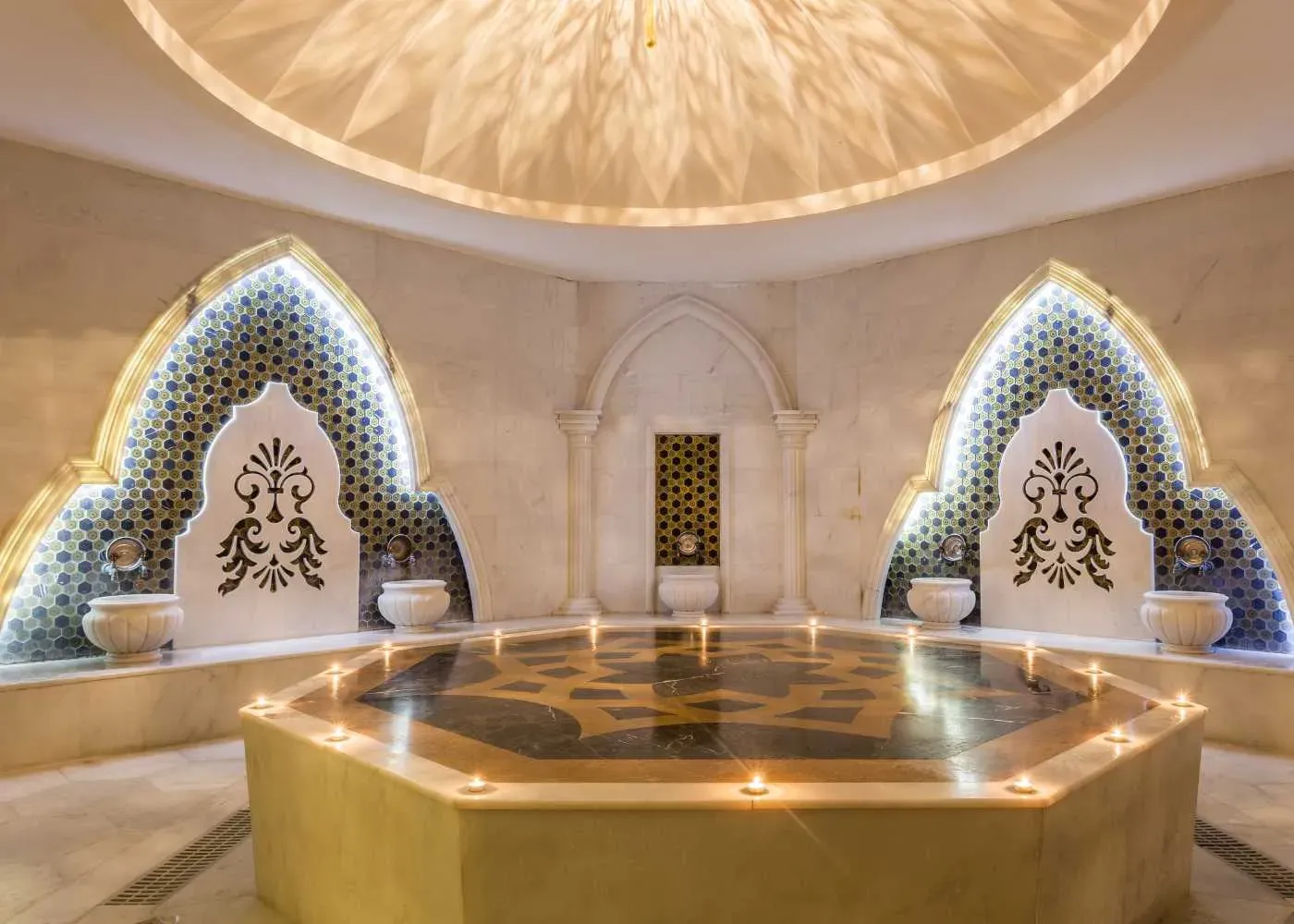
Turkish hammam experiences blend ancient ritual with modern comfort, inviting you into a steaming, marble-lined space where cleansing and renewal unfold. Compared with a typical spa day, the hammam highlights hammam vs spa contrasts and centers on traditional Turkish bath rituals, a slower, more social pace. From the hot room to exfoliation with a kese and a foam soap massage, you’ll feel the benefits of Turkish bath as skin and senses awaken. Understanding Turkish bath differences helps you decide how to choose spa or hammam based on your goals for relaxation, cleansing, or cultural immersion. This guide offers practical tips and expectations so your visit feels authentic, rejuvenating, and tailored to you.
Beyond the label Turkish hammam, guests may encounter a bathhouse or steam room ritual that captures the same core idea: cleansing, warmth, and slow, mindful care. In this description, the focus shifts to a traditional Turkish bath experience—often performed in marble, with a kese exfoliation and soap foam—yet many modern venues reframe it as a spa-like wellness ritual or cultural immersion. From a semantic perspective, terms such as hammam, bathhouse, Turkish bath, steam bath, and ceremonial cleansing cluster around the same concept, helping readers discover how to approach this experience in different regions. A savvy reader may compare the ambience, etiquette, and services across venues to select a setting that balances authenticity with comfort. Whether you explore a historic bathhouse or a contemporary spa, the underlying goal remains renewal through heat, exfoliation, and hydration.
1. Experience the Turkish Hammam: A Timeless Ritual of Steam, Cleansing, and Community
Step into a Turkish hammam and you enter a world where warmth, steam, and marble create a sensory ceremony that engages body and mind. The ritual-rich environment invites you to slow down, listen to the soft murmur of conversations, and feel the heat open pores as fatigue dissolves with each breath of humid air. In this setting, the Turkish hammam becomes more than a bath—it becomes a communal rite that connects you to centuries of tradition and shared care.
This experience embodies traditional Turkish bath rituals that emphasize cleansing, exfoliation, and a mindful pace. Compared with a modern spa, you may notice a more ceremonial cadence, where attendants guide you through a sequence designed to purify and soothe, rather than simply pamper. The result is a renewal that touches skin, posture, and mood, leaving you refreshed with a sense of connection to a long lineage of bathhouse culture.
2. Hammam vs Spa: Key Differences in Ambience, Rituals, and Outcomes
When weighing a hammam against a spa day, the differences begin with atmosphere and purpose. A hammam’s marble corridors, steam-filled rooms, and often communal spaces create a traditional ambiance that invites shared ritual and quiet reflection. In contrast, a spa environment tends to favor private treatment rooms, modern amenities, and a focus on individualized therapies.
Rituals also diverge: a hammam typically includes washing, exfoliation with a kese, and a soap foam massage performed by an attendant, followed by time to rest and hydrate. A spa day usually centers on targeted therapies—massages, facials, hydrotherapy—with a broader menu of beauty and wellness options. Understanding these Turkish bath differences helps you align your day with your goals, whether you want cultural immersion or a focused therapeutic session.
3. Benefits of a Turkish Bath: Skin, Circulation, Stress Relief, and Beyond
The benefits of a Turkish bath extend beyond surface-level cleansing. Exfoliation with a kese removes dead skin cells, encouraging smoother texture and brighter skin over time, while the heat and steam promote circulation and muscle relaxation. The cleansing rituals can also ease tension and improve mobility after a strenuous day or workout.
Beyond the physical, a Turkish bath fosters stress reduction and mental clarity. The rhythmic pace, communal atmosphere, and warm environment can lower stress hormones and offer a meditative respite from daily demands. Hydration, soap foam massages, and the gentle cadence of the ritual contribute to skin nourishment and a refreshed sense of well-being that lingers long after you leave the bathhouse.
4. Traditional Turkish Bath Rituals: From Preparation to Foam Massage
A typical journey through traditional Turkish bath rituals begins with preparation. You’ll don a peştemal, a cotton wrap, and enter a warm space where attendants guide you on proper etiquette and steps. This ceremonial start sets a respectful tone and helps you acclimate to the heat before deeper cleansing begins.
The sequence continues with heating and steam to loosen muscles and open pores, followed by washing and exfoliation with a kese. The foam massage—fragrant lathers and gentle, rhythmic strokes—forms a luxurious layer that nourishes the skin while promoting relaxation. Afterward, you rinse, rest, and often enjoy light refreshments, completing a balanced ritual that honors tradition and personal renewal.
5. How to Choose Between a Hammam and a Spa: Practical Tips
When deciding how to choose spa or hammam, define your goals first. If you crave a traditional cleansing ritual with exfoliation and a sense of cultural history, a hammam may be ideal. If you’re seeking private spaces, targeted therapies, or a broader wellness menu, a modern spa could better suit your needs. This framing aligns with the idea of hammam vs spa and helps you pick based on what you value most.
Consider time, budget, and setting as well. Hammams can be shorter or more economical, though premium rituals add ceremonial touches. Spas typically offer a wider range of prices and packages. Health considerations should also guide your choice—those with sensitive skin or respiratory concerns may opt for less intense steam or alternative therapies, making the decision about how to choose spa or hammam more personalized.
6. Etiquette, Safety, and Respect: Navigating a Turkish Hammam Experience
Respect for local customs enhances the hammam experience. Follow staff guidance, observe etiquette around modesty, and wear a peştemal appropriately. Taking cues from others can help you align with traditional Turkish bath rituals and ensure everyone feels comfortable in shared spaces.
Safety and self-care matter as well. Hydrate before and after, monitor how you feel in the heat, and inform attendants about any allergies or medical conditions. By embracing etiquette and safety, you preserve the dignity of the ritual, protect your well-being, and honor the cultural heritage embedded in the Turkish bath experience.
Frequently Asked Questions
What are the key differences between a Turkish hammam and a modern spa (hammam vs spa)?
Key differences between a Turkish hammam and a modern spa include: environment (traditional hammams rely on communal steam rooms and marble surfaces, while spas offer private, quiet spaces), rituals (hammams emphasize washing, exfoliation with a kese, and a foam massage; spas focus on massages, facials, and hydrotherapy), attire and etiquette (hammam guests typically wear a peştemal and observe modesty; spa attire varies but privacy is usually emphasized), and purpose (hammams aim to cleanse and renew the skin through ritual practice; spas emphasize relaxation and targeted therapies).
What are the benefits of a Turkish bath?
Benefits of a Turkish bath commonly reported include improved skin texture from exfoliation, better circulation and muscle relaxation from heat and steam, reduced stress, and hydration from soap foam massages. The experience also offers a social or cultural dimension that many find restorative. Regular visits can enhance skin glow and soften the skin over time.
What should I expect from traditional Turkish bath rituals?
During traditional Turkish bath rituals you typically progress through preparation, heating and steam, washing and exfoliation with a kese, a foam massage, then rinsing and rest. A trained attendant performs the cleansing and exfoliation, and guests usually wear a peştemal. The pace is gradual to maximize relaxation and pore-opening.
How to choose spa or hammam: which is right for you?
How to choose spa or hammam depends on goals and preferences. If you want a traditional cleansing ritual with a communal atmosphere, a Turkish hammam may be ideal. If privacy, a broader wellness menu, and modern comforts matter most, a spa day is often the better fit. Also consider time, budget, and any health considerations.
What are the Turkish bath differences between historic hammams and modern hotel hammams?
Turkish bath differences can be subtle but meaningful: historic hammams emphasize authentic ritual sequences in traditional settings, while modern hotel hammams may blend rituals with contemporary amenities. Historic facilities often feature communal spaces and strict sequence; modern setups can offer private suites and optional spa services. Both deliver cleansing and relaxation, but the experience and emphasis differ.
Who should consider a Turkish hammam and what precautions apply?
Who should consider a Turkish hammam? Most people can enjoy it, but pregnant individuals, those with certain skin conditions, or respiratory issues should consult a healthcare professional first. Stay hydrated, listen to your body, and communicate any allergies to attendants. Dress modestly in a peştemal and follow the local etiquette to ensure a respectful, enjoyable experience.
| Topic | Key Points |
|---|---|
| What is a Turkish hammam? | A traditional bathhouse rooted in Mediterranean, Middle Eastern, and Ottoman culture. The experience unfolds in a hot, humid space with marble surfaces and ritual cleansing steps (washing, exfoliation with a kese, and foam massage), often in a communal atmosphere. |
| Hammam vs Spa: Key Differences | Environment: hammams are traditional, communal; spas are more private and modern. Rituals/services: hammams focus on cleansing rituals and steam; spas emphasize massages, facials, hydrotherapy, and broader wellness options. Attire/etiquette: hammams use peştemal and modesty norms; spas vary, but privacy is common. Purpose/Pace: hammams cleanse and socialize; spas relax and provide targeted therapies. |
| Benefits of a Turkish bath | Skin exfoliation and texture improvement; improved circulation and muscle relaxation; stress reduction and mental clarity; hydration and skin nourishment; social/cultural experience. |
| What to expect: Rituals, etiquette, and experience | Preparation (peştemal provided); heating/steam to loosen muscles; washing and exfoliation with a kese; foam massage; rinsing and rest; optional refreshments. |
| Choosing between a hammam and a spa | Align with your goals (traditional cleansing and ritual vs focused therapies); consider time and budget; balance comfort/privacy needs; account for health considerations. |
| Precautions and considerations | Most people can visit, but pregnant individuals, heart conditions, or skin infections should consult a professional. Stay hydrated, monitor heat exposure, and inform staff of allergies. |
| Practical considerations | Location variety (historic bathhouses to hotel hammams); cost ranges; plan visits as part of a broader wellness day. |
| Rituals vs modern adaptations | Core rituals (washing, exfoliation, foam massage) remain, but some facilities offer climate-controlled rooms, private suites, or additional spa services; balance tradition with contemporary comfort. |
| Etiquette and cultural respect | Observe local customs, dress modestly in a peştemal, follow staff guidance, observe others’ participation, and tip attendants as appropriate. |